
What Every Homeowner Should Know When Replacing an HVAC Unit
Understanding the intricacies of replacing an HVAC unit is crucial for homeowners seeking efficiency, comfort, and savings. This guide provides essential information to help you make informed decisions about your system, from evaluating your current unit to selecting the right replacement and maintaining it effectively. With today’s technological advancements, homeowners have multiple options to optimize energy use and improve indoor air quality. According to the U.S. indoor air quality market data, the market was valued at $9.8 billion in 2022, with projections to grow to $11.9 billion by 2027, highlighting the increasing importance of indoor climate management. Choosing the right HVAC system can enhance comfort, lower energy costs, and reduce environmental impact. Planning carefully ensures long-term satisfaction and efficiency, making the replacement process smoother and more beneficial.
Assessing Your Current HVAC System
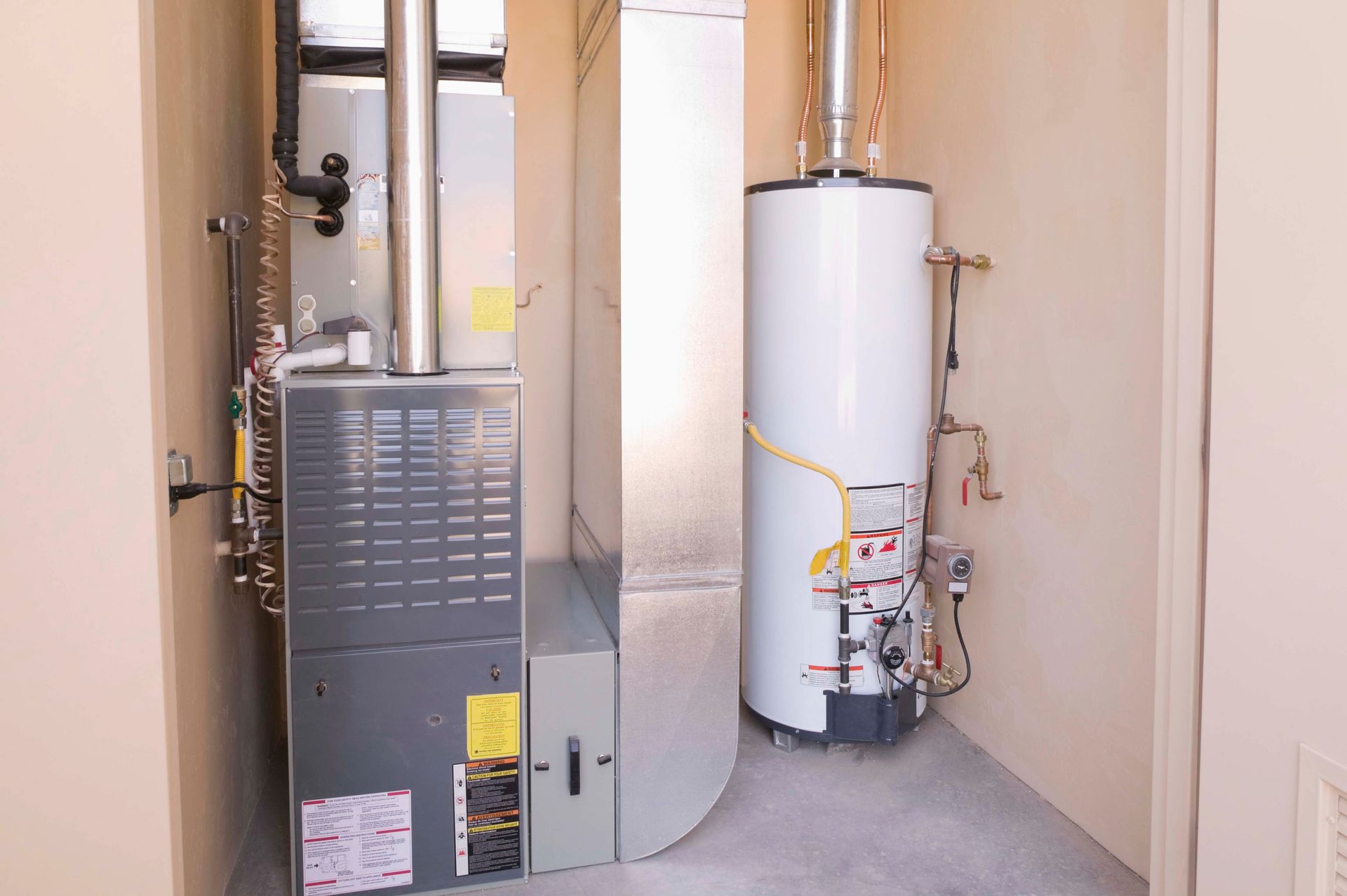
Evaluating your existing HVAC unit involves examining its age, efficiency, and performance. Systems over 10–15 years old generally operate less efficiently, driving up energy bills and potentially failing to provide consistent comfort. Signs of aging include frequent repairs, uneven temperatures, and unusual noises, which may indicate the system is struggling to meet your home’s needs. Monitoring energy bills over several months can reveal inefficiencies and help determine whether replacement is more cost-effective than repair. Considering your future needs, such as family growth or lifestyle changes, also ensures the new system will remain adequate for years. Proper assessment prevents unnecessary expenses and ensures your investment in a replacement unit is worthwhile.
Another key factor to consider is the compatibility of your current HVAC system with modern technology. Older units may lack integration with smart thermostats, zoning systems, or advanced air filtration, limiting your ability to optimize comfort and energy efficiency. Updating to a unit that supports these features can provide more precise climate control, reduce energy costs, and allow remote monitoring and management of your home environment. Taking this into account during evaluation helps ensure that your new system meets contemporary expectations and offers long-term convenience.
Additionally, assessing the environmental impact of your current HVAC system can guide your replacement decision. Older units often use outdated refrigerants that contribute to greenhouse gas emissions and may no longer comply with current environmental standards. Selecting a newer system with eco-friendly refrigerants and higher efficiency ratings not only reduces your carbon footprint but can also qualify for energy rebates and incentives. Factoring environmental considerations into your evaluation ensures that your replacement choice is both sustainable and cost-effective over its lifespan.
Selecting the Right HVAC Unit
Choosing the appropriate HVAC system requires understanding the types, size, efficiency, and features available. Central air systems, ductless options, geothermal, and hybrid models all have unique advantages depending on your home layout and climate. Correct sizing is critical; an undersized system will struggle to maintain temperature, while an oversized one can cycle inefficiently. Energy efficiency ratings, such as SEER for cooling and HSPF for heat pumps, guide selection for cost savings and environmental impact. Modern features like smart thermostats, variable-speed compressors, and advanced air filtration can enhance comfort and system performance. Exploring financing options and incentives from manufacturers or utility programs can make a high-efficiency unit more accessible and affordable. Selecting the right system ensures optimal comfort, energy savings, and long-term reliability.
In addition to technical specifications, it’s important to consider the long-term maintenance requirements and reliability of the HVAC system you choose. Some systems may demand more frequent servicing, while others are designed for minimal upkeep, reducing both time and cost over the unit’s lifespan. Evaluating warranties, availability of replacement parts, and the reputation of the manufacturer can help ensure that your investment remains trouble-free for years. By factoring in maintenance considerations alongside performance and efficiency, homeowners can select an HVAC system that balances convenience, durability, and consistent comfort throughout its operational life.
Understanding the Installation Process
Proper installation is essential for your HVAC system’s performance and longevity. Preparing your home by clearing access areas and evaluating ductwork and electrical systems facilitates a smooth installation. Hiring a qualified installer ensures the unit is correctly installed and complies with local building codes and permit requirements. A clear installation timeline and post-installation checks, including system operation, thermostat functionality, and leak inspection, guarantee that your system works as intended from day one. Investing in professional installation protects your system, maintains manufacturer warranties, and reduces the risk of future repairs. Understanding the installation process provides peace of mind and ensures your HVAC system functions efficiently.
Additionally, communication with your installer throughout the process can make a significant difference in the outcome. Discussing your home’s specific needs, any potential obstacles, and preferences for system placement or zoning allows the installer to tailor the setup for optimal performance. Regular updates during installation help you stay informed about progress and any adjustments needed, minimizing surprises or delays. By actively engaging with the installation team, homeowners can ensure a seamless experience that maximizes the efficiency, comfort, and longevity of their HVAC system.
Maintenance and Upkeep
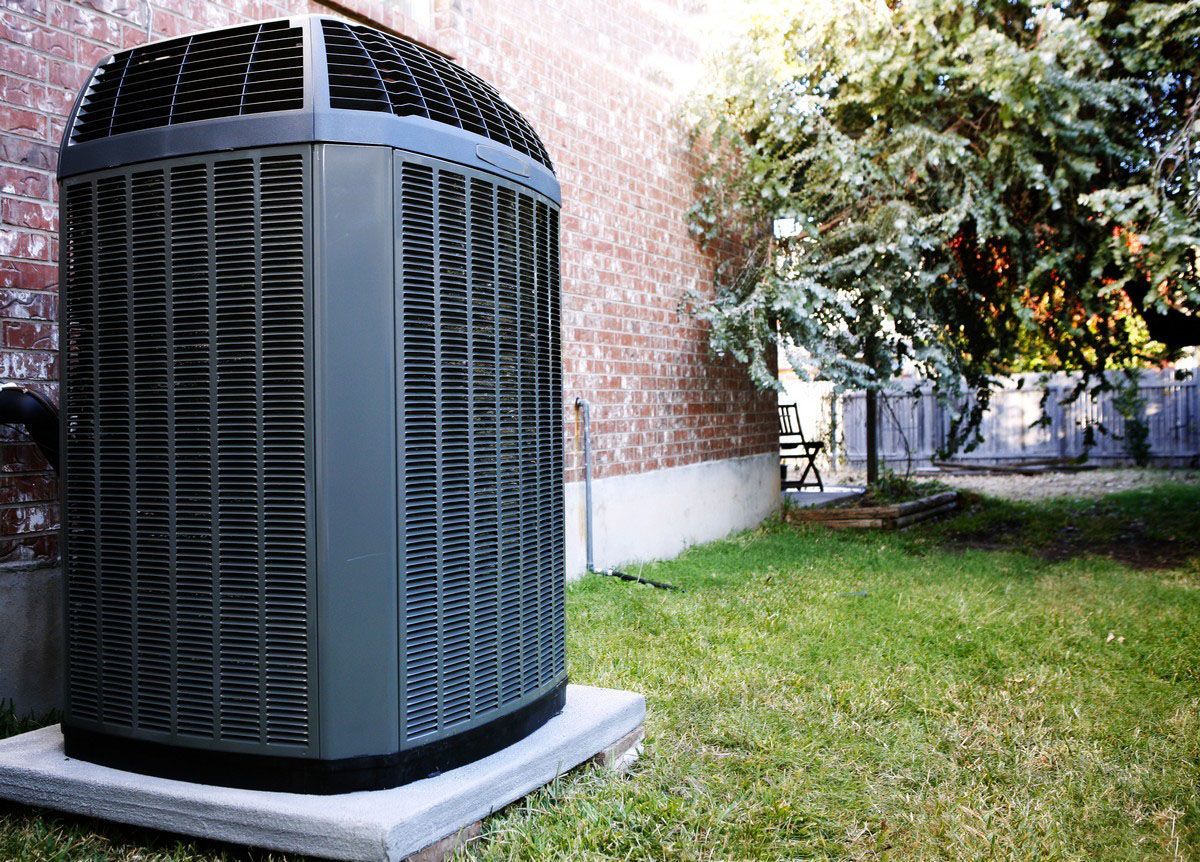
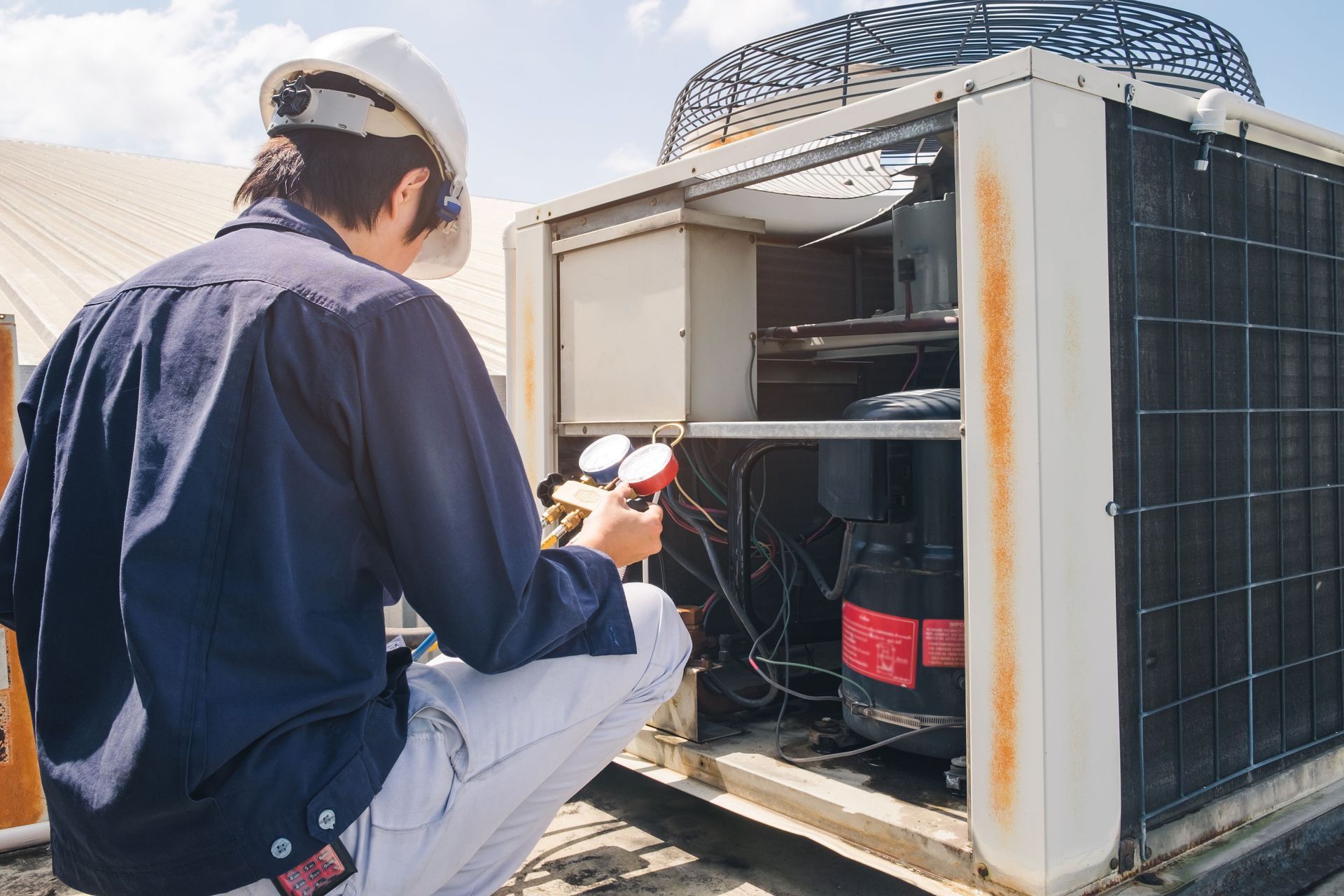
Routine maintenance keeps your HVAC system running efficiently and extends its lifespan. Regular inspections and servicing, such as filter replacement, checking refrigerant levels, and inspecting electrical components, help identify issues before they escalate. DIY maintenance, like keeping outdoor units clear of debris and monitoring thermostat settings, complements professional services. Professionals can perform comprehensive checks, adjust refrigerant levels, and fine-tune your system for optimal performance. Monitoring energy bills and system behavior over time helps detect efficiency drops early. Proactive upkeep ensures your HVAC system maintains consistent comfort, reduces repair costs, and preserves energy efficiency.
Energy Saving Enhancements
Maximizing HVAC efficiency also involves home-specific adjustments and technology integration. Programmable or smart thermostats can optimize usage according to occupancy patterns, reducing unnecessary energy consumption. Sealing leaks and improving insulation around windows, doors, and ducts prevents conditioned air from escaping and enhances efficiency. Maintaining clear airflow through vents and using zoning systems allows precise temperature control in specific areas, reducing energy waste. Leveraging renewable energy, such as solar or geothermal options, can further lower costs and environmental impact. Implementing these strategies not only improves comfort but also reduces your home’s carbon footprint, supporting sustainable living while maximizing HVAC efficiency.
Understanding Warranties and Guarantees
Knowing your HVAC warranty options protects your investment and reduces unexpected expenses. Manufacturer warranties typically cover parts for a defined period, while labor warranties address installation errors. Extended warranties can provide added security for future repairs. Carefully reviewing warranty conditions, including maintenance requirements and claim processes, ensures coverage remains valid. Registering your unit promptly activates these protections and may provide additional perks. Evaluating warranty extensions and keeping accurate documentation allows you to navigate claims efficiently and maintain system reliability. Being informed about warranties ensures that your HVAC investment is secure and supported throughout its service life.
Replacing your HVAC unit is a significant investment, but careful planning and informed decisions make the process efficient and rewarding. By assessing your current system, selecting the right replacement, ensuring proper installation, maintaining the unit, optimizing energy use, and understanding warranties, homeowners can enjoy long-term comfort and cost savings. According to the U.S. indoor air quality market data, choosing an efficient HVAC system can have a substantial impact on both comfort and energy costs. For expert guidance and reliable service, contact Integrity Heating & Cooling Services LLC to ensure your HVAC system operates efficiently, safely, and effectively for years to come.

Share On: